
ERP · Morocco
ERP in Morocco: a management system that follows your rules.
An ERP brings accounting, purchasing, sales, stock and invoicing into one system, so it quickly becomes the heart of the company. In Morocco, it also has to follow the Moroccan chart of accounts and VAT rules, and since the 2026 finance law it has to produce the accounting entries file. We help you choose between an off-the-shelf package and a system built around you, then we build or connect whatever is needed.
What an ERP must cover in Morocco.
Accounting and VAT
Entries follow the Moroccan chart of accounts, and VAT is calculated line by line, at the rate that applies to each item.
The accounting entries file
The system produces, for every financial year, the file required by opinion no. 24 of the National Accounting Council.
Stock and purchasing
Goods in, goods out and transfers are tracked item by item, and every purchase is matched to its order and its invoice.
Sales and the till
Quotes, orders, invoices and the till share the same customer and item data.
Access rights
Each user only sees and changes what their role allows, and sensitive approvals leave a trace.
E-invoicing
The system must be able to produce and receive structured invoices once the decree comes out, without having to be replaced.
Configure a package or build your own ERP?
Do your processes look like the ones an off-the-shelf package expects?
Yes Off-the-shelfNo Custom
Do your teams already work around their tool with Excel files?
Yes CustomNo Off-the-shelf
Do you want the system to belong to you, code included?
Yes CustomNo Off-the-shelf
Off-the-shelf
Configuring a package should be enough.
It is faster to configure than to build, as long as your teams do not have to work around it.
If you answer yes, then no, then no.
Custom
A system built on your rules is worth scoping.
It belongs to you, code included, with no per-user licence, and we scope it module by module.
As soon as one answer differs from these.
An ERP built module by module.
01
Write the rules
Workshops with your teams set out each module's rules in writing, before any code is written.
02
Build module by module
Stock, the till or invoicing are built one after another, and your teams sign off each module before the next.
03
Migrate the data
Your data is cleaned with you, then loaded in waves, with a check at each step.
04
Connect your tools
The ERP connects to the software you keep, through its interfaces or file exchanges.
- Stock
- Signed off by your teams
- Till
- Signed off by your teams
- Invoicing
Management systems we have built.
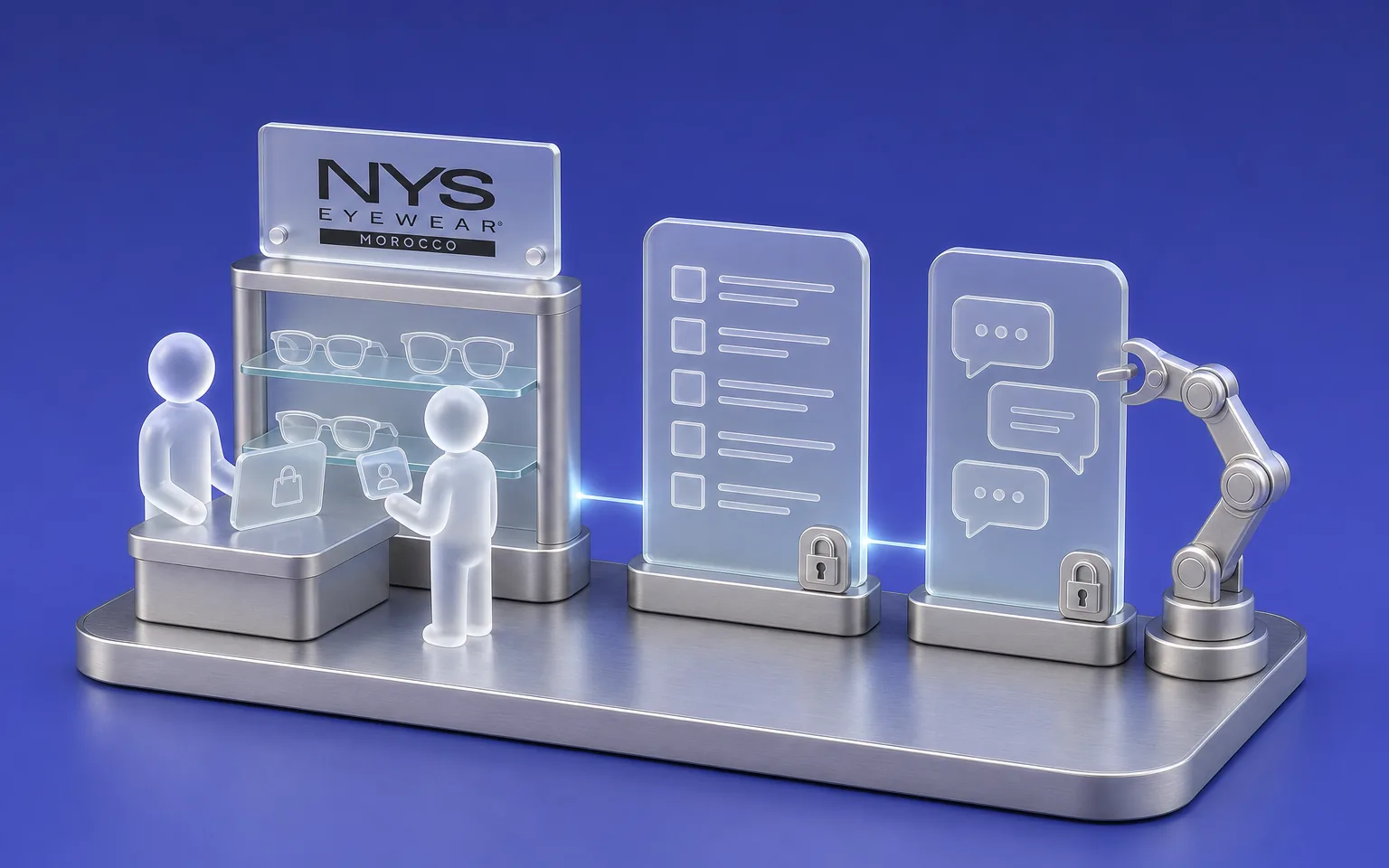
NYS
Multi-store retail
- Challenge
- Bringing stock, the till and invoicing for several stores into one system.
- What Claro built
- A custom retail ERP with an AI copilot, signed off module by module.
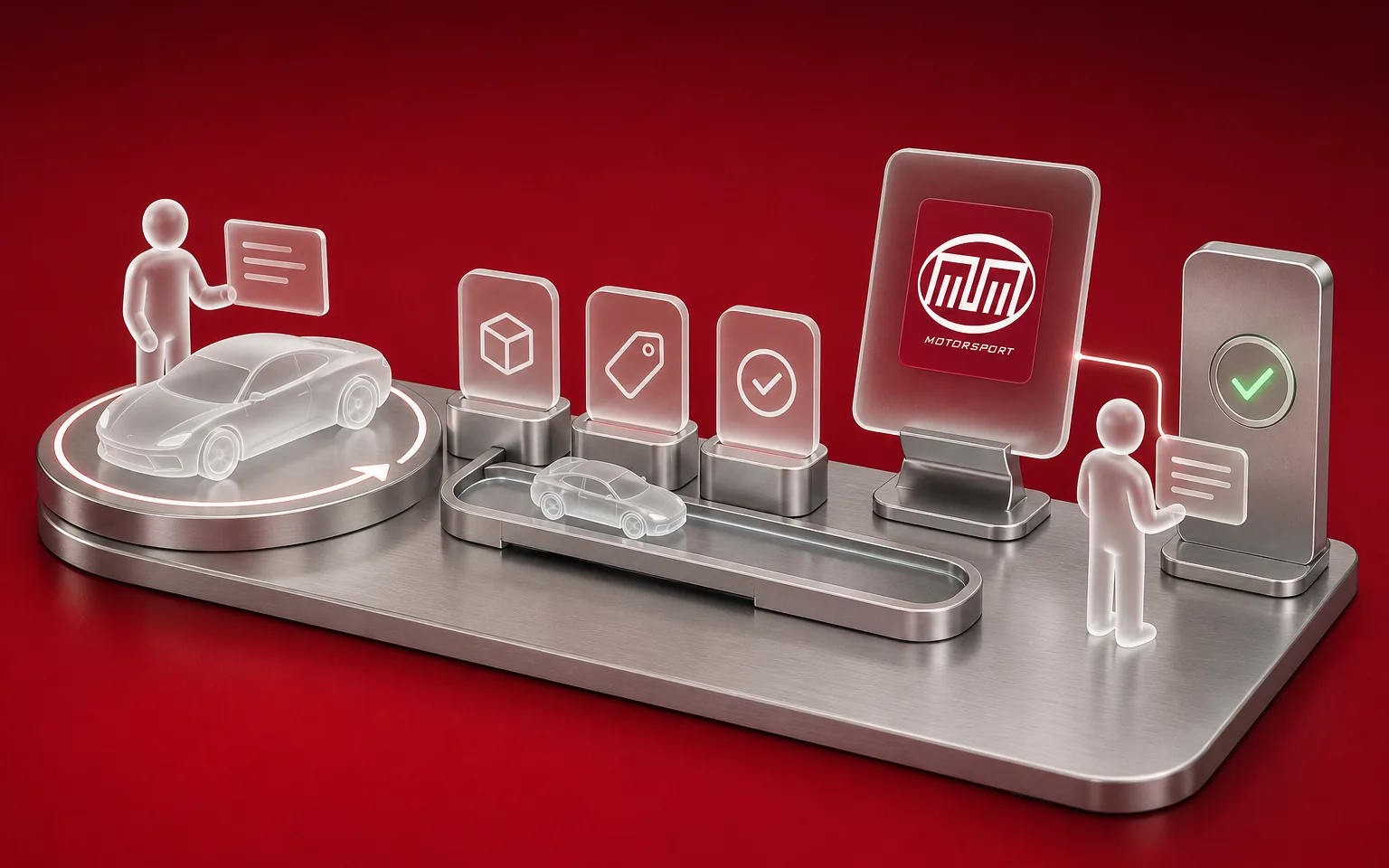
MM Motorsports
Automotive, showroom
- Challenge
- Presenting a vehicle collection in an immersive way.
- What Claro built
- A 3D showroom with an admin panel.
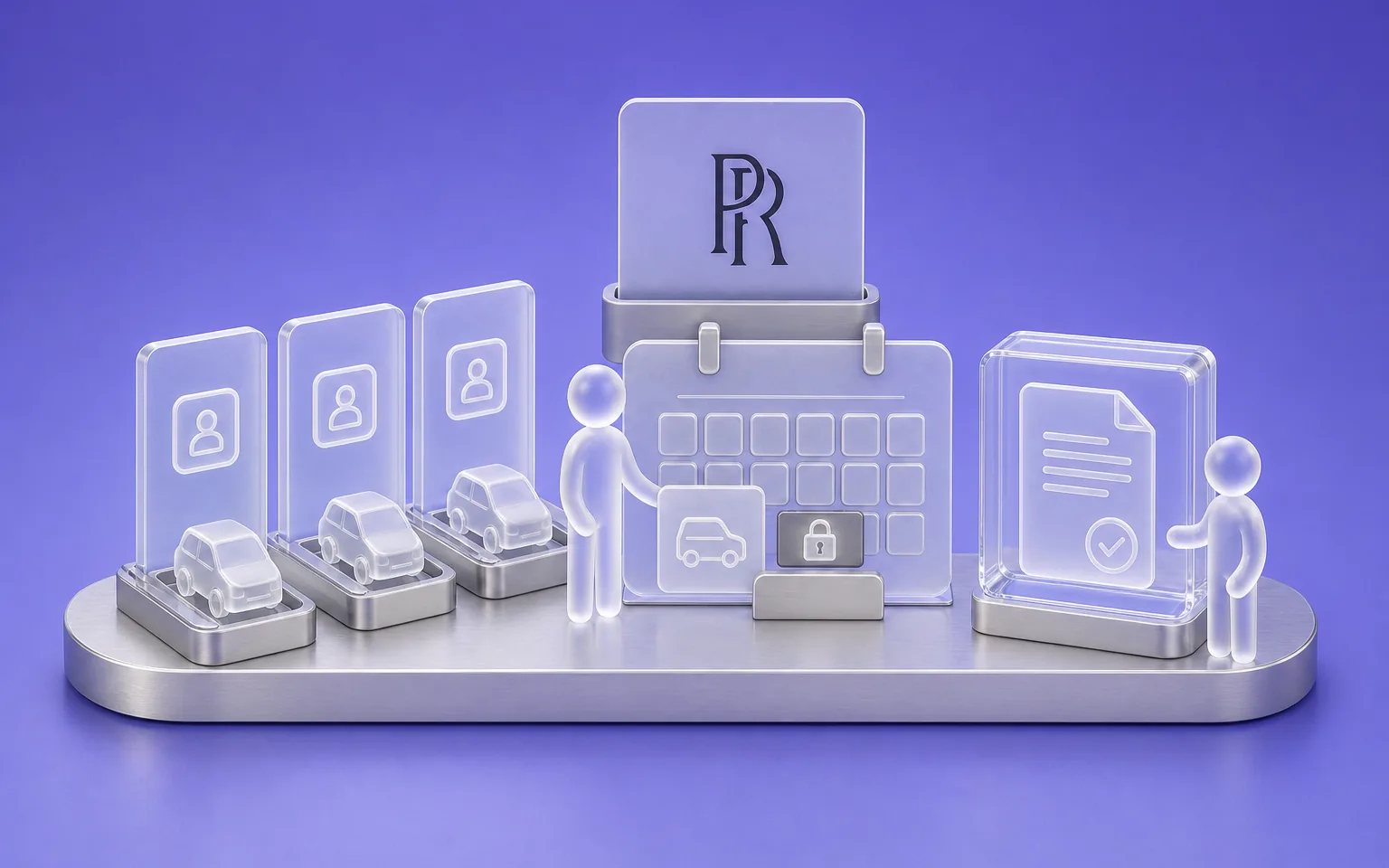
Perfect Rental
Vehicle rental
- Challenge
- Letting several agencies work on one platform, each with its own data.
- What Claro built
- A multi-agency online platform, designed and co-founded by Claro.
FAQ
Frequently asked questions
What's the difference between a CRM, an ERP and custom software?
A CRM manages the sales relationship: contacts, opportunities and sales follow-up. An ERP runs internal operations, such as accounting, purchasing, stock and invoicing. Custom software covers what neither handles well, like an unusual approval chain or a field tool, and it can also act as the ERP when your rules depart too far from a package.
Do we need a Moroccan ERP?
What you need above all is an ERP that follows Moroccan rules: the chart of accounts, VAT, the mandatory invoice details and the accounting entries file. An international package can cover them through a local module, and a custom system builds them in from the start. So the question to put to any vendor is about those specific points, rather than where the software comes from.
How much does deploying a custom CRM/ERP cost?
The investment depends on the modules chosen, such as sales, stock or invoicing, how complex your rules are, migrating your data and the tools to connect. A custom build carries no per-user licence, since you own the code. So we set the amount module by module, once your rules are written down.
Can you migrate our data from Excel or old software?
Yes, and it's one of the steps that need the most care. We first analyse your existing data, its duplicates and its inconsistencies, then clean it with your teams before loading it in waves, checking each step. The load can be rerun as long as the old system is still running, so the switch-over happens on verified data.
Will the ERP be ready for e-invoicing?
It needs to be able to produce and receive structured invoices, but the exact format hasn't been published in Morocco yet. So we isolate the part that depends on it, so it can adapt to the text when it comes out, and our e-invoicing page sets out what already applies.
Let's discuss your priorities
Let's talk about your ERP project.
Tell us what your teams manage in your software today and what they manage beside it, in spreadsheets or over the phone. We'll tell you whether a well-configured package is enough, or whether a custom system is worth it.
- The call lasts thirty minutes, by video.
- You speak directly with a Claro expert.
- Afterwards, we email you the next step we recommend.