Consulting & Digital Transformation
Run your digital transformation one process at a time.
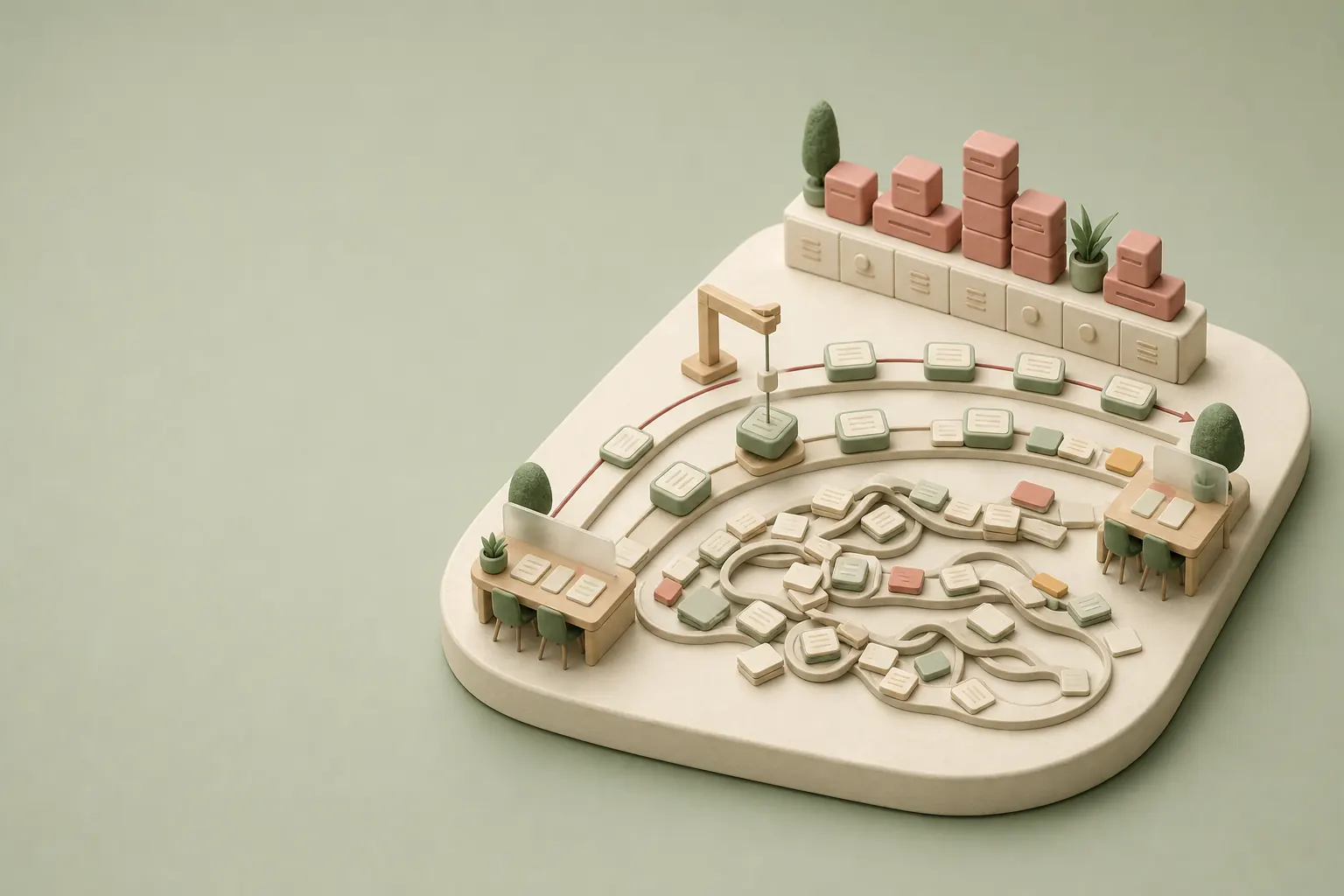
A digital transformation starts with how work flows between your teams. We start from your current processes, define the target organisation and the systems that support it, then follow execution project by project.
Signs it's time to transform.
Information doesn't flow
The same data is entered in several tools, and each department works from its own version.
Your tools no longer keep up with growth
Opening a new site or business line multiplies spreadsheets and manual approvals.
Your digital projects run separately
Several projects move in parallel, with no order of priority and no clear owner.
The same data is entered in several tools, and each department works from its own version.
Opening a new site or business line multiplies spreadsheets and manual approvals.
Several projects move in parallel, with no order of priority and no clear owner.
We start from how you work.
We run workshops with the teams involved, for example stock and finance, and map the processes we study: who does what, with which tool, and where information gets re-entered.
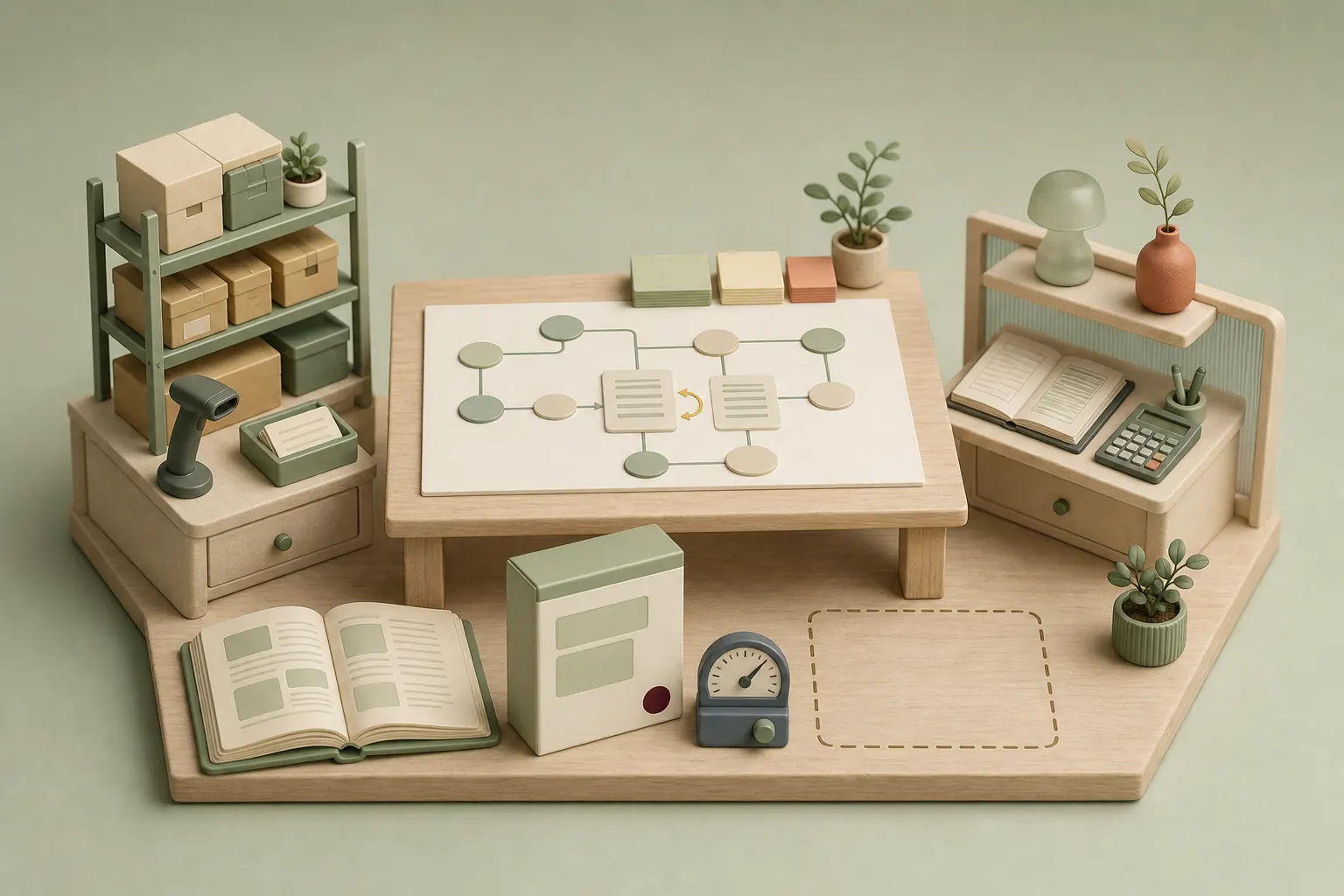
We check the limits of your current tools against your own cases, using their official documentation. So you know exactly what a product can handle and what would need to be built alongside it.
The target organisation first, then the tools.
The target model describes the organisation you're aiming for, with each team's responsibilities, the approvals required and the system that is the reference for each piece of data. The tool choices follow from it, because software is judged on whether it can carry those rules.
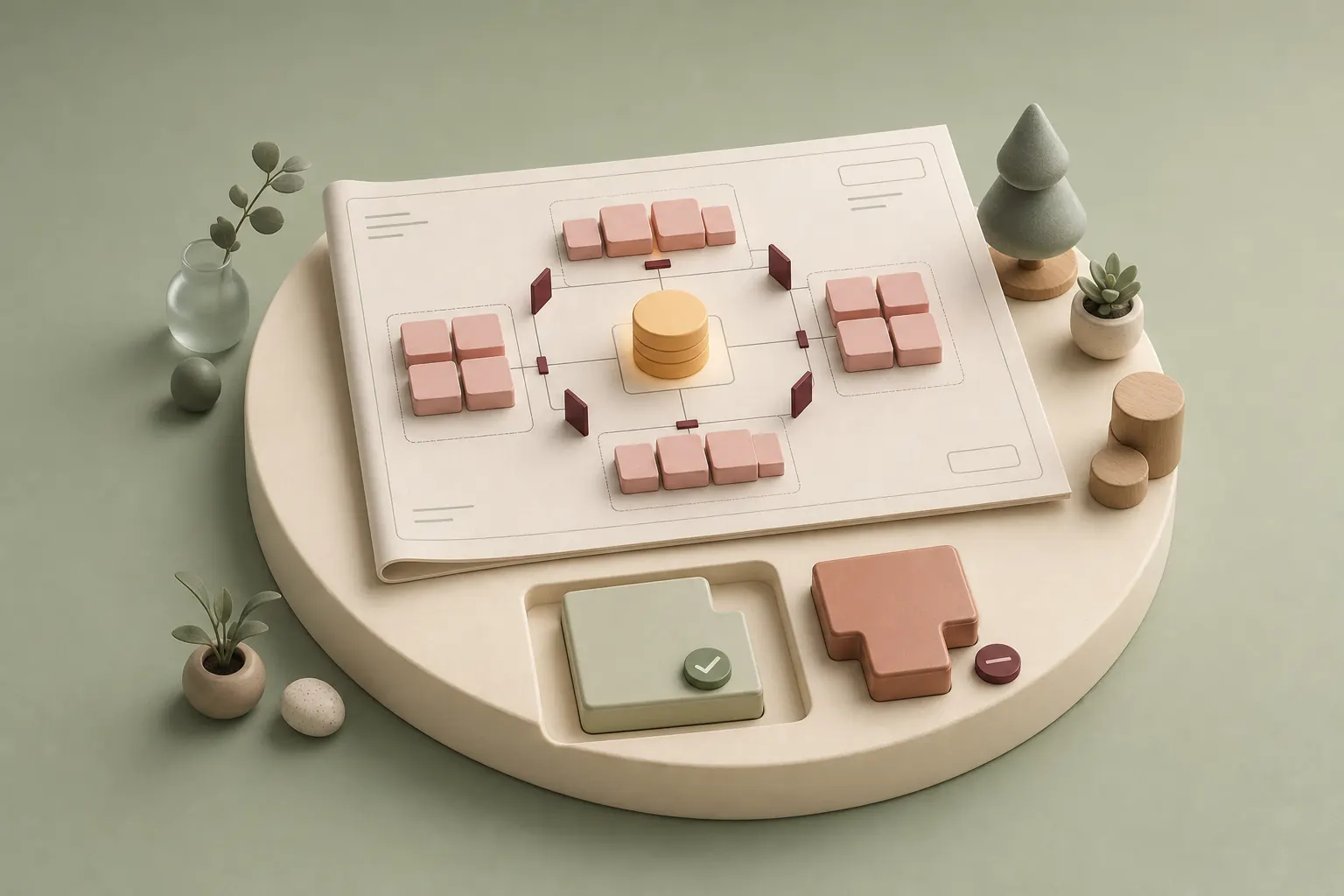
For NYS, this work came before building a custom system, based on its own sales and stock rules.
A roadmap managed in writing.
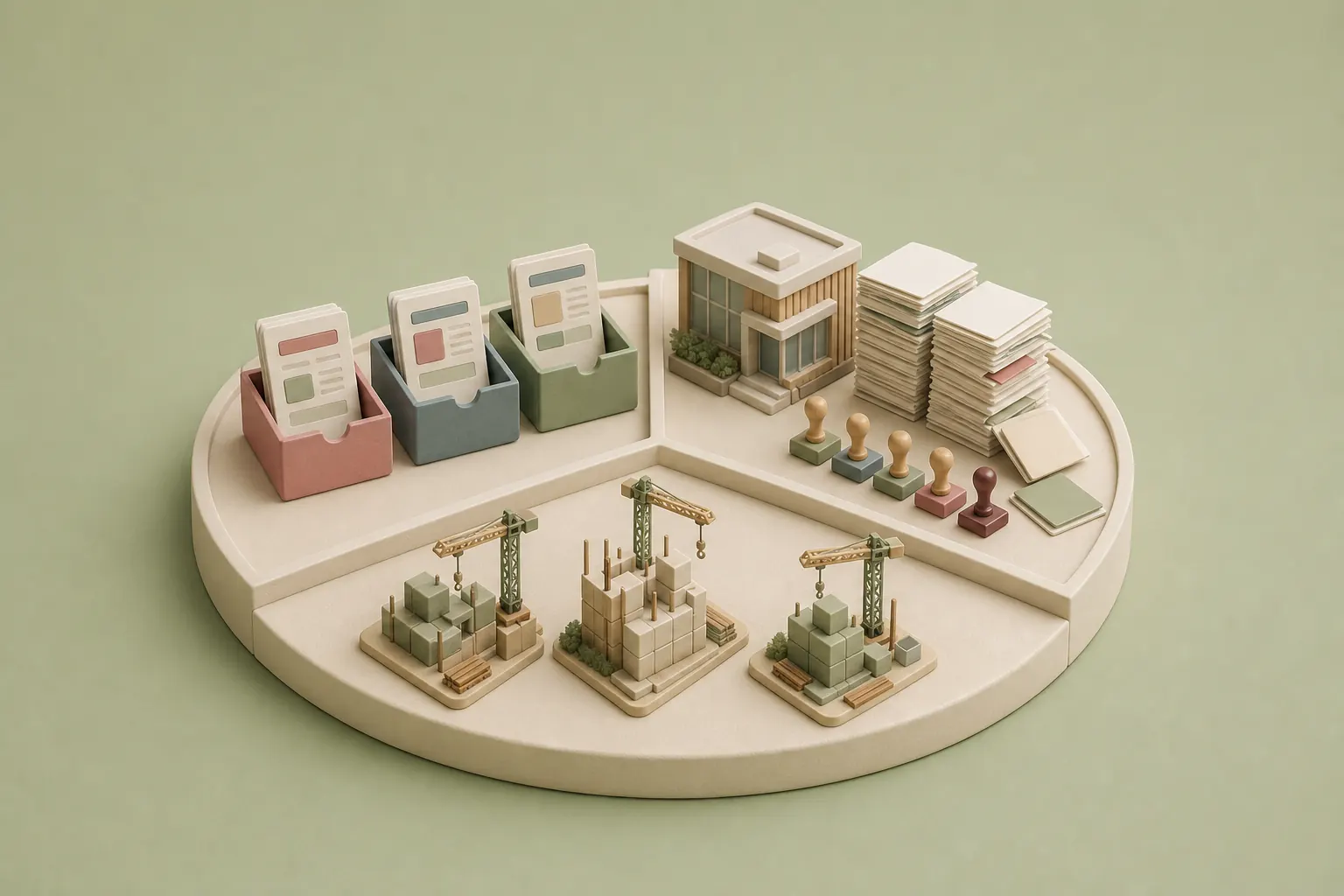
The roadmap orders the projects by expected effect and dependencies. Each project has an owner on your side, who approves the rules and signs off deliveries, and an owner at Claro.
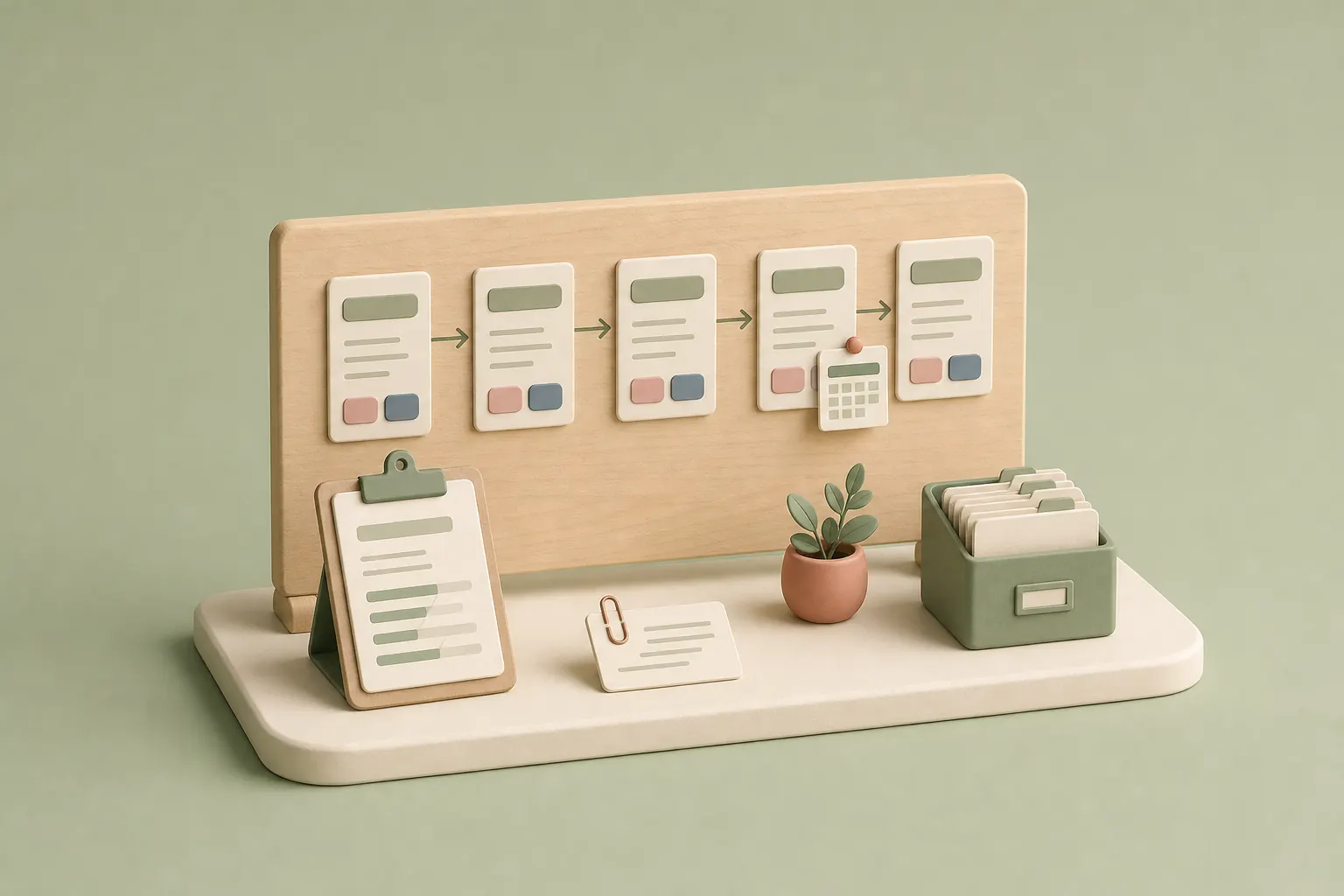
Progress reviews rely on a written document, and any change of scope goes through a dated note. You keep a record of every decision, which also makes it easier for other teams to take the system over.
Roadmap
Projects ordered by expected effect and dependencies
- Items and stockOwner on your sideStock managerOwner at ClaroProject leadDeadlineWeek 4Acceptance criterionAn item created once, visible in every storeStatusSigned off
- Till and daily closingAfter project 1Owner on your sideStore managerOwner at ClaroTechnical leadDeadlineWeek 8Acceptance criterionThe closing happens in the system, with no spreadsheet beside itStatusIn progress
- Transfers between storesAfter project 1Owner on your sideLogistics managerOwner at ClaroProject leadDeadlineWeek 11Acceptance criterionA transfer entered once, received without re-entryStatusUpcoming
- InvoicingAfter project 2Owner on your sideFinance departmentOwner at ClaroTechnical leadDeadlineWeek 14Acceptance criterionEvery invoice starts from a recorded saleStatusUpcoming
What we measure.
We choose the indicators with you, from the start.
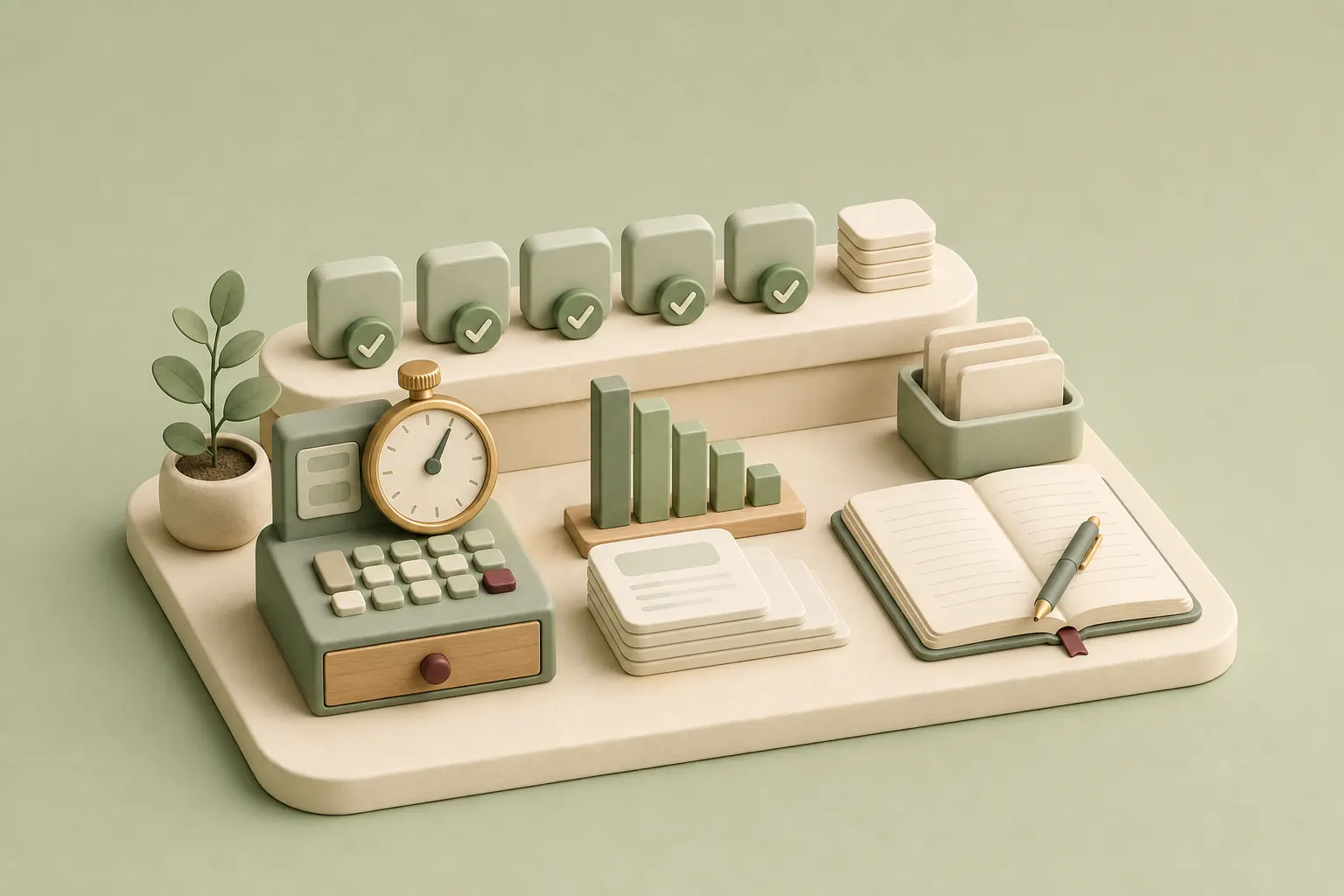
Indicator sheet
Set at the start- ProgressBlocks signed offStartTo recordTargetTo set
- Operational effectTill closing timeStartTo recordTargetTo set
- Operational effectNumber of re-entriesStartTo recordTargetTo set
Is part of your transformation about AI?See AI strategy
A transformation delivered block by block.
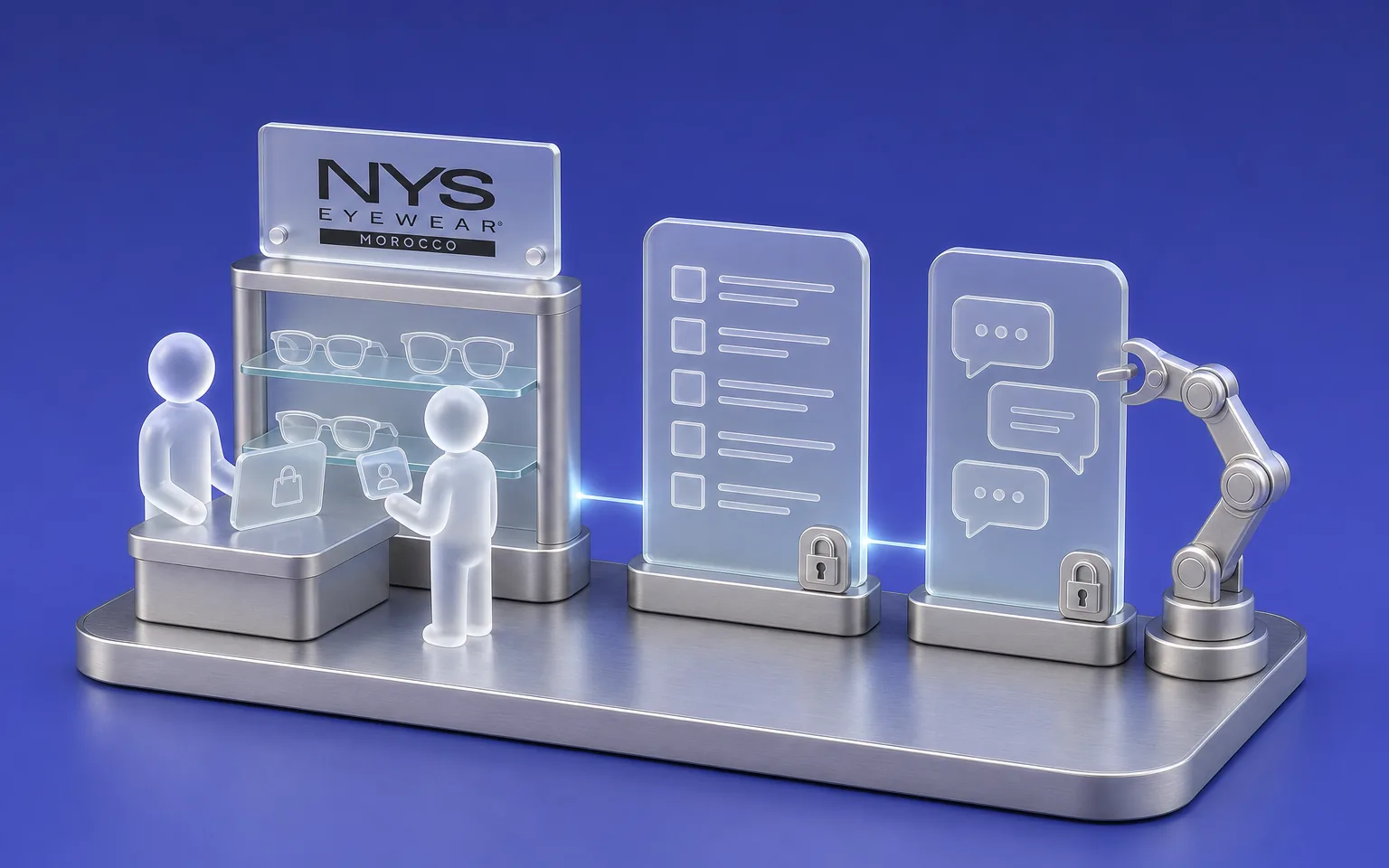
NYS
Multi-store retail
- Challenge
- Bringing stock, the till, transfers and invoicing for several stores into one system.
- What Claro built
- Workshops with the teams, the scoping, then building the system block by block, each block signed off on the live system.
FAQ
Frequently asked questions
What does digital transformation mean in practice?
It means adapting your organisation and tools so information flows between your teams without re-entry. In practice, that involves reviewed processes and written rules, then systems chosen or built to apply them. The technology comes after you've defined how you want to work.
How long does a digital transformation take?
It depends on how many processes are involved and how available your teams are. We split the programme into projects that each deliver something usable, so your teams benefit from the first changes before the whole programme is done. The schedule is set once the diagnosis is complete.
What's the first step?
The first step is a conversation about your challenges and the tools in place. It tells us whether you need a full diagnosis or whether a precise question is enough, such as choosing between two products. The diagnosis then starts with workshops with the teams involved.
What's the difference between digital consulting, digital transformation and change management?
Digital consulting helps you make a decision, such as choosing a tool. Digital transformation covers the whole programme, from diagnosis to running the projects. Change management prepares your teams to use the new tools, and it accompanies each rollout.
Do we have to change everything at once?
No, and it's rarely a good idea. We order the projects so each one builds on the last, while your teams keep working normally. An existing system can also be kept and connected to the new tools.
Let's discuss your priorities
Let's discuss your transformation.
Let's talk about your processes, the tools in place and the projects you have in mind. We'll work out together where to start and what the diagnosis should cover.
- The call lasts thirty minutes, by video.
- You speak directly with a Claro expert.
- Afterwards, we email you the next step we recommend.